Farer GMTvsSeiko Astron
The numbers, the dial colors, the calibers — laid out so you can stop flipping between tabs.
At a glance
13 of 29 specs differFull specifications
Case
5 specsCrystal & Dial
3 specsMovement
4 specsPricing
1 specsFollow this matchup
Get a note when Farer GMT vs Seiko Astron gets more votes, a community discussion, or a price drop. No account needed.
Owners + reviewers, side by side
Synthesized for each watch independently from owner discussions, enthusiast forums, written reviews, and video reviewers.
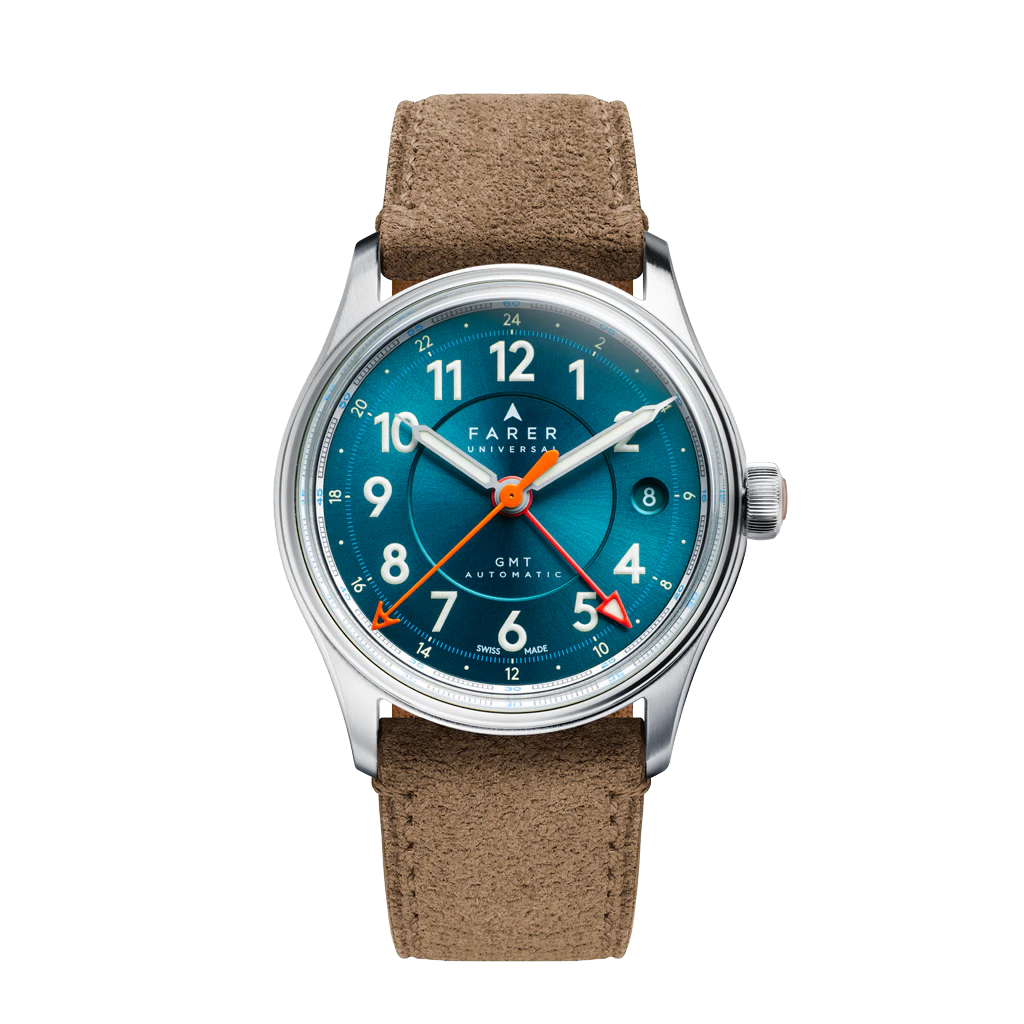
The Farer GMT Automatic is praised for its vibrant, legible sea-green sunburst dial and well-proportioned 39.5mm, 10mm thin case. The Top Grade ETA 2893-2 movement offers hacking seconds and a 42-hour power reserve. Reviewers note the bronze crown, intended to develop patina, as a potentially unpopular design choice. Overall, reviewers consider the Farer GMT Automatic good value at its price point, highlighting the dial and case proportions as key strengths.
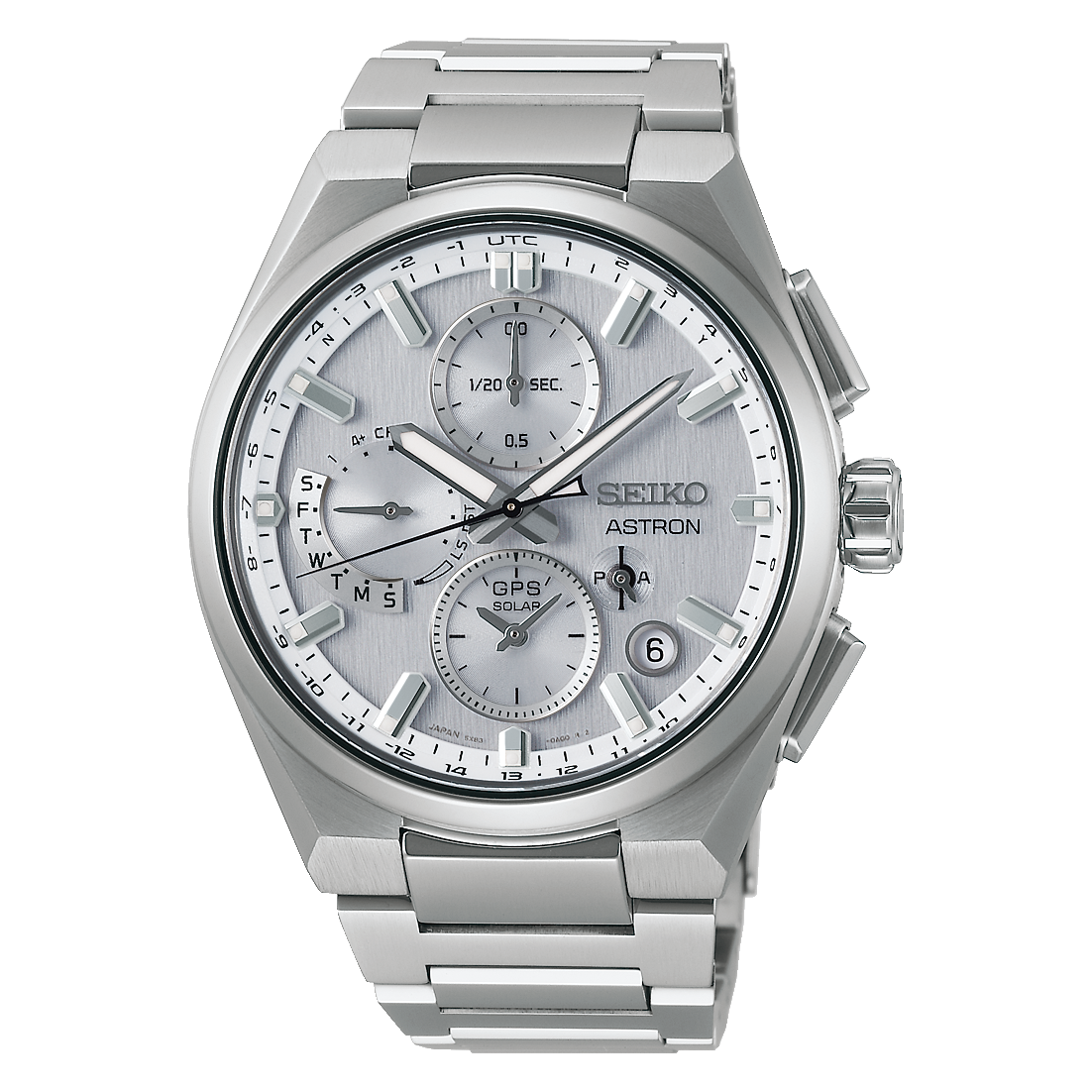
Owners widely praise the Seiko Astron for its spectacular technology, solar-powered quartz movement, and GPS time synchronization, making it a convenient grab-and-go option. The watch is frequently noted for its comfortable and lightweight titanium build, with some models featuring well-finished cases and robust ceramic bezels. Reviewers and owners alike highlight the dial's dynamic and shiny appearance, with textured hour markers and high-contrast edges. Accuracy is generally considered good, with figures ranging from +/- 15 seconds per month to within 1/2 second per day, easily corrected by GPS signal. However, some owners note that DST requires manual adjustment and that automatic time syncing depends on proximity to radio wave towers. The price point is a concern for some, who feel it competes with luxury watches without the same aesthetic appeal. One owner pointed out minimal lume and a slight misalignment of the minute hand on their model.
More watches worth a look
Matched to the watches above on size, movement, style and price — microbrands first. Open any one to dig in.



People also compared
Comparisons nearby in the catalog — alternatives to the watches above paired against the matchup.