Tudor 1926 28mm AutomaticvsSpinnaker Fleuss 40 Automatic
The numbers, the dial colors, the calibers — laid out so you can stop flipping between tabs.

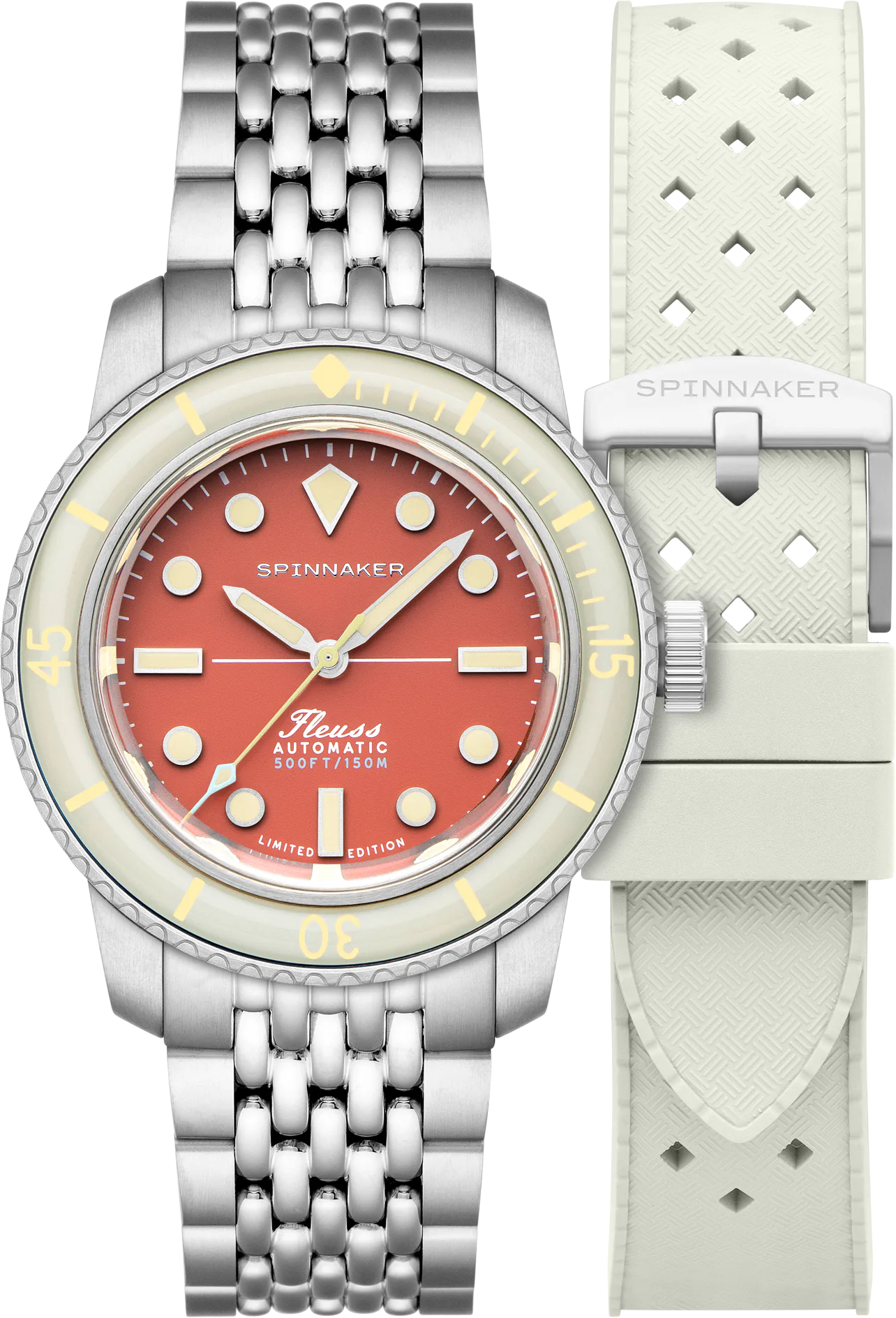
At a glance
13 of 29 specs differFull specifications
Case
9 specsCrystal & Dial
1 specsMovement
2 specsPricing
1 specsFollow this matchup
Get a note when Tudor 1926 28mm Automatic vs Spinnaker Fleuss 40 Automatic gets more votes, a community discussion, or a price drop. No account needed.
Owners + reviewers, side by side
Synthesized for each watch independently from owner discussions, enthusiast forums, written reviews, and video reviewers.
Owners widely praise the Tudor 1926 28mm Automatic for its refined aesthetic and comfortable wearability, with many appreciating its automatic movement and considering it a versatile everyday watch. Some owners note the date window can be difficult to read, and one owner perceives the 28mm size as looking large due to its small bezel and big dial. On balance, owners rate the Tudor 1926 28mm Automatic highly for its refined design and comfortable wearability.
The smooth and precise bezel action is a notable strength of this watch. A potential drawback is the use of a third-party movement, which may be a drawback for some enthusiasts who prefer in-house calibers.
Owners find the Spinnaker Fleuss 40 Automatic a good size for smaller wrists, though one owner notes the lume is too diffuse for easy nighttime reading. The pilot-style crown is an unusual feature for a dive watch. Overall, owners value the Spinnaker Fleuss 40 Automatic for its wearability on smaller wrists.
The coral red dial is a unique aesthetic. The watch is a strong contender for best-in-class under $300.
More watches worth a look
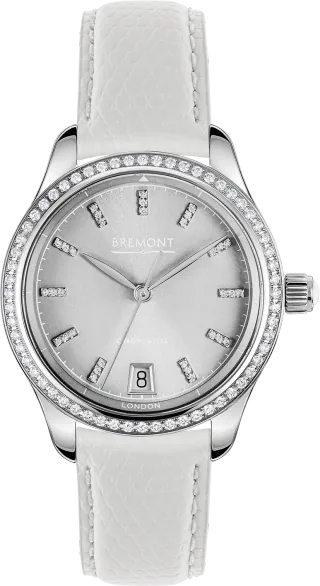
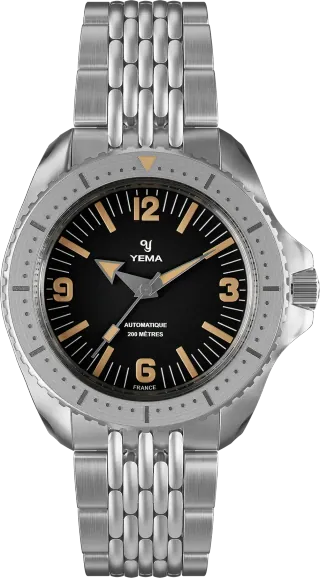
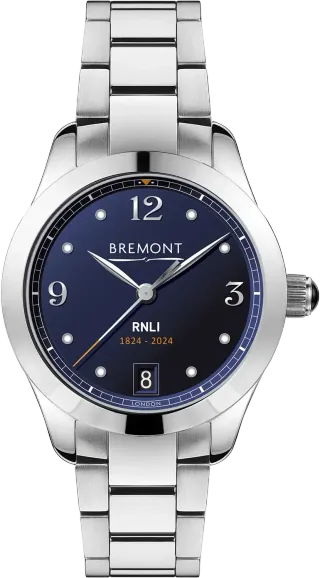
Matched to the watches above on size, movement, style and price — microbrands first. Open any one to dig in.



People also compared
Comparisons nearby in the catalog — alternatives to the watches above paired against the matchup.