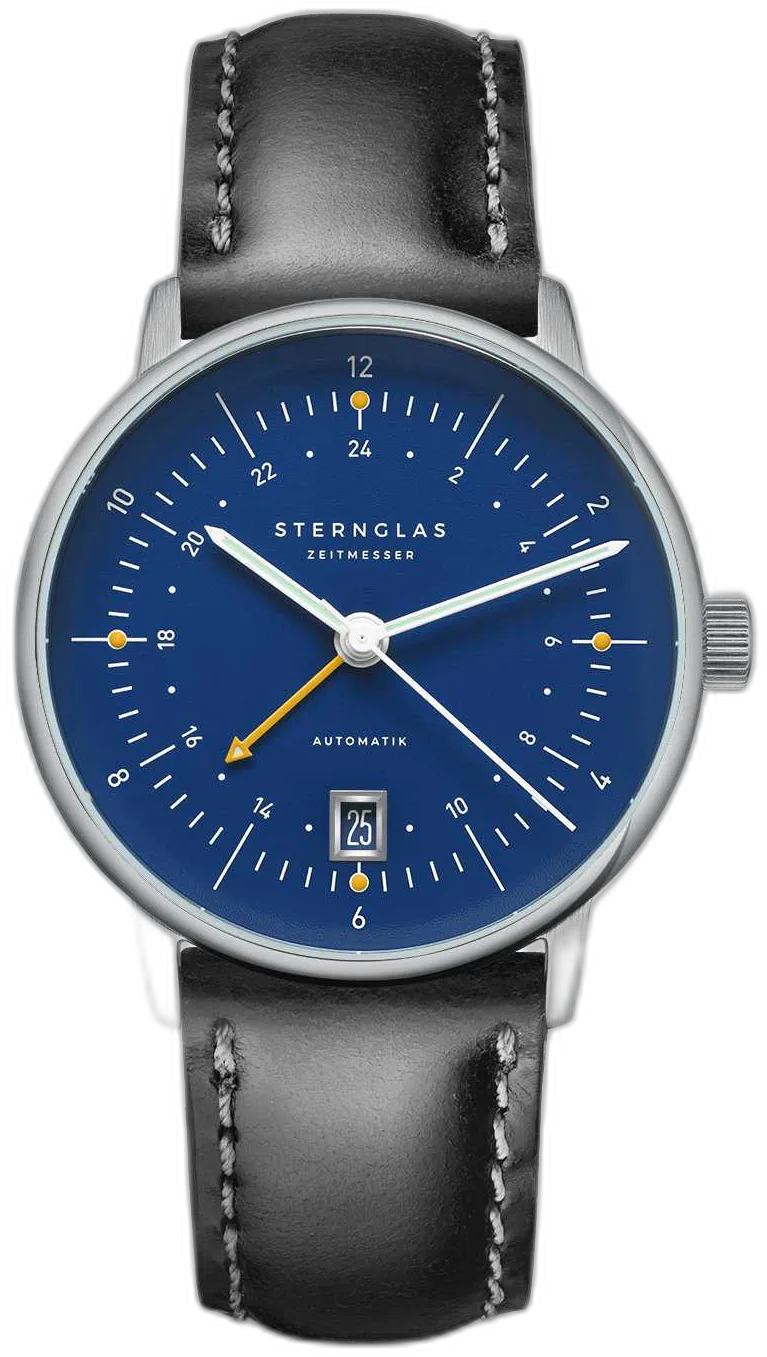
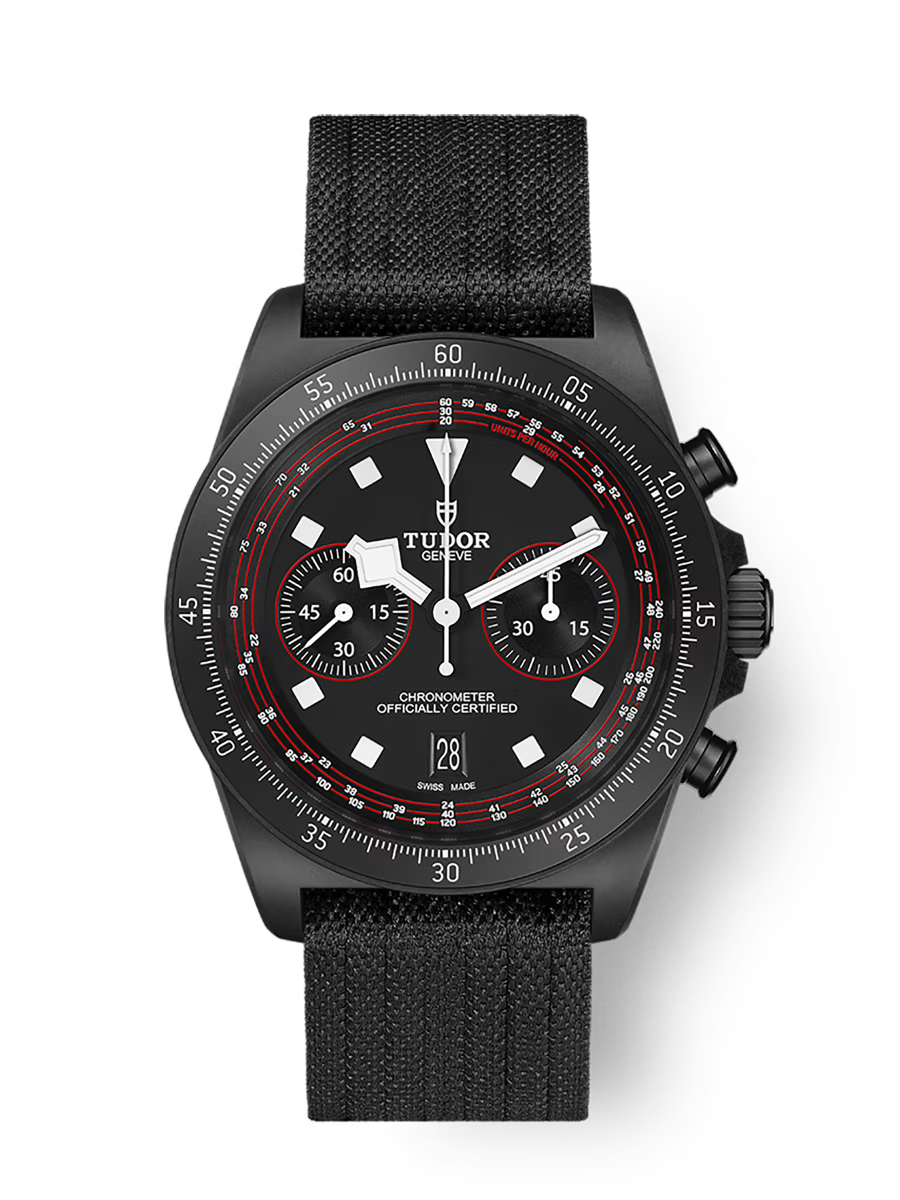
Sternglas Naos Pro GMT AutomatikvsTudor Pelagos FXD Chrono
The numbers, the dial colors, the calibers — laid out so you can stop flipping between tabs.
At a glance
15 of 29 specs differFull specifications
Case
8 specsCrystal & Dial
2 specsMovement
4 specsPricing
1 specsFollow this matchup
Get a note when Sternglas Naos Pro GMT Automatik vs Tudor Pelagos FXD Chrono gets more votes, a community discussion, or a price drop. No account needed.
Owners + reviewers, side by side
Synthesized for each watch independently from owner discussions, enthusiast forums, written reviews, and video reviewers.
Owners report the Sternglas Naos can feel underwhelming with a cheap feel and hands resembling office printer output, with some finding it wears smaller than expected and looks like a toy, though others appreciate its understated design. Reviewers highlight the Argo Automatic variant as a compelling sub-€400 mechanical watch with a colorful dial and practical date wheel, suitable for new collectors, featuring a 38mm case and a Miyota 8215 movement. On balance, the consensus is that the Sternglas Naos offers a mixed ownership experience, with its value proposition and entry-level appeal being its strongest points for some.
The Sternglas Naos Pro GMT Automatik features a clean Bauhaus design that sets it apart from other GMT watches. A notable weakness is the watch's bezel action, which is not as smooth as some reviewers would have liked. Reviewers disagree on the watch's case size, with one reviewer stating it's slightly larger than the original Naos Automatic, while another reviewer doesn't mention this aspect at all.
The Tudor Pelagos FXD Chrono is widely praised for its lightweight construction, with owners highlighting its carbon composite case and titanium case back contributing to exceptional comfort and wearability, even on smaller wrists. Reviewers and owners alike commend its excellent legibility, robust build quality, and impressive bezel action, with a smooth winding feel noted by one owner. The COSC-certified MT5813 movement provides a 70-hour power reserve. However, some find the tachymeter scale difficult to read, and the 45-minute counter impractical for cycling. One owner reported poor timekeeping with a deviation of -3 to -3.5 seconds per day, while another saw accuracy within a couple of seconds per day, and a separate owner noted three services in under two years. The included straps are frequently criticized as less appealing or having short length, and some question the watch's overall utility for cyclists compared to dedicated head units.
More watches worth a look
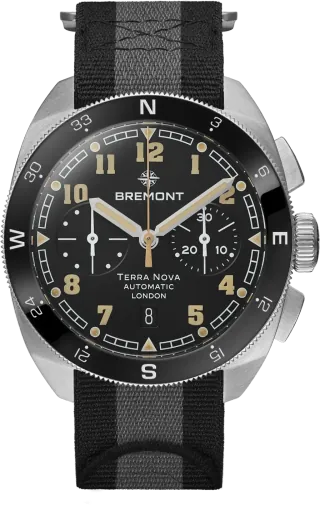
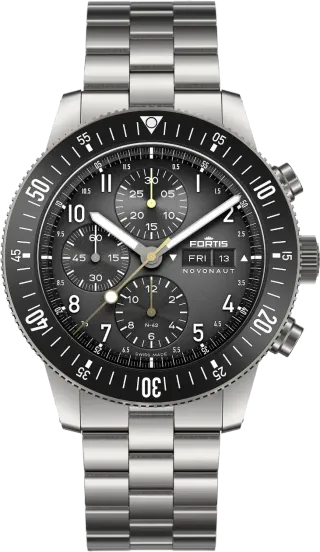
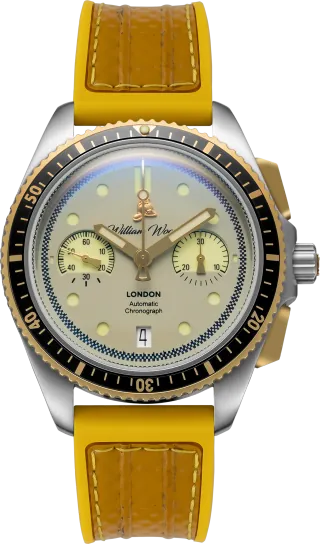
Matched to the watches above on size, movement, style and price — microbrands first. Open any one to dig in.




People also compared
Comparisons nearby in the catalog — alternatives to the watches above paired against the matchup.