Spinnaker Fleuss 40 AutomaticvsDOXA SUB 200 II
The numbers, the dial colors, the calibers — laid out so you can stop flipping between tabs.
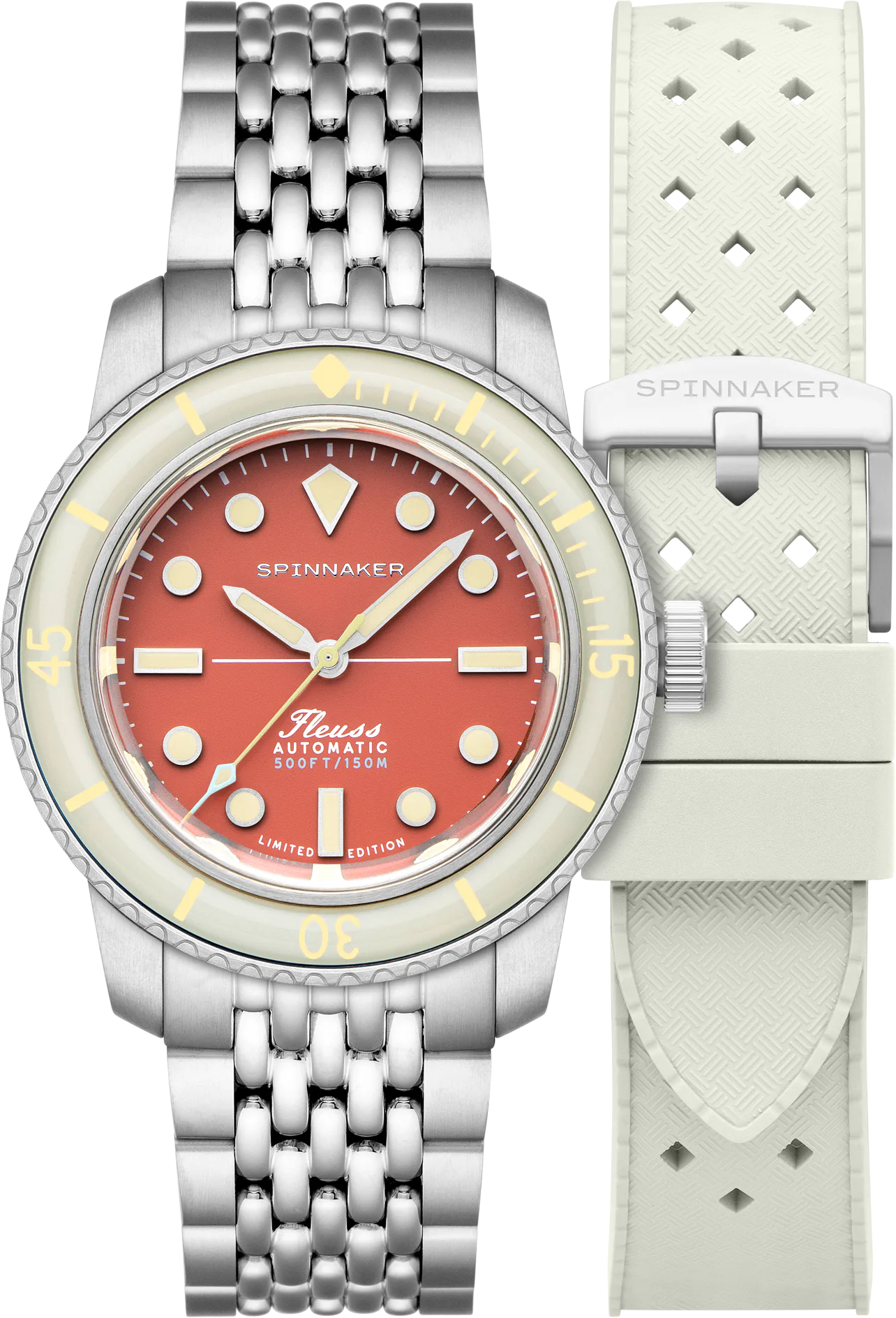
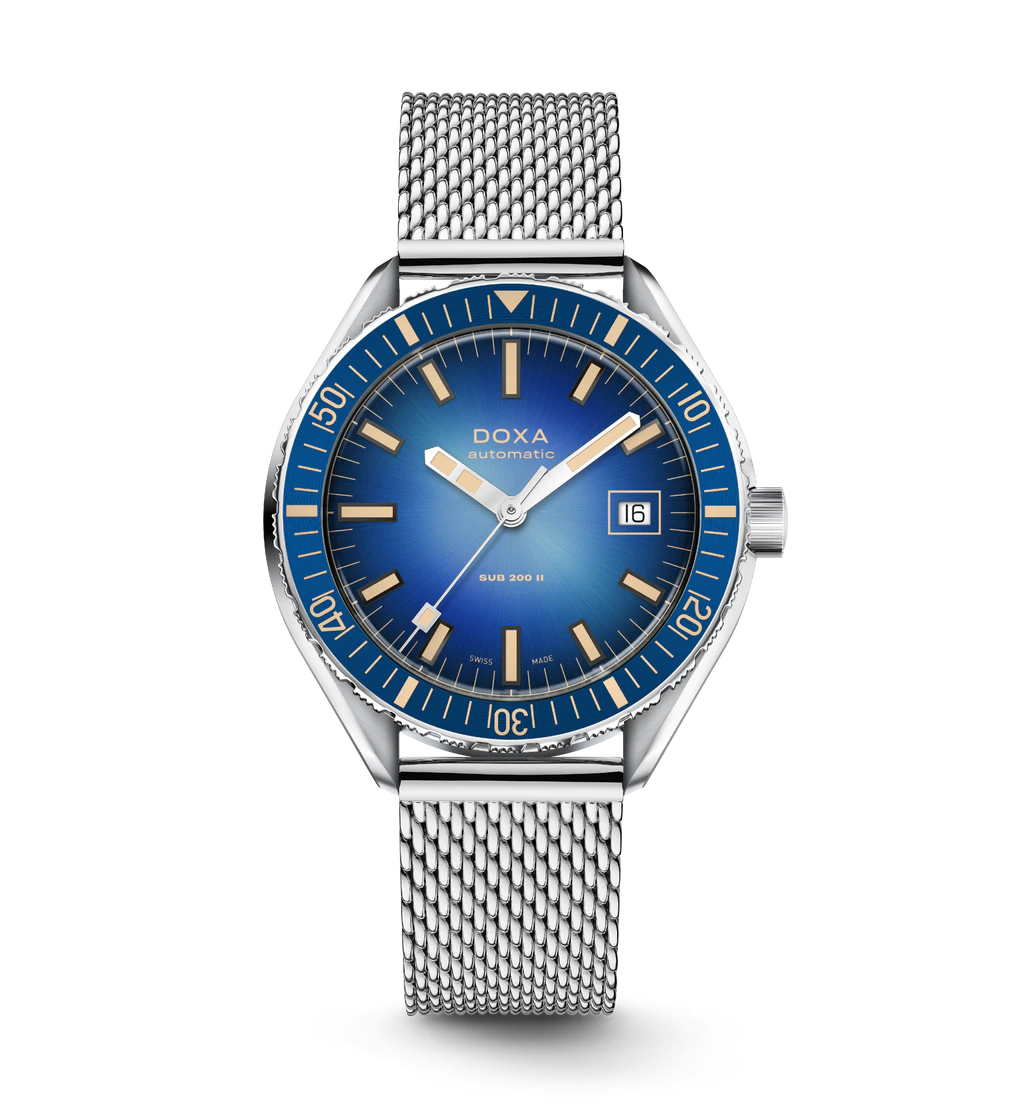
At a glance
10 of 29 specs differFull specifications
Case
5 specsCrystal & Dial
3 specsMovement
1 specsPricing
1 specsFollow this matchup
Get a note when Spinnaker Fleuss 40 Automatic vs DOXA SUB 200 II gets more votes, a community discussion, or a price drop. No account needed.
Owners + reviewers, side by side
Synthesized for each watch independently from owner discussions, enthusiast forums, written reviews, and video reviewers.
Owners find the Spinnaker Fleuss 40 Automatic a good size for smaller wrists, though one owner notes the lume is too diffuse for easy nighttime reading. The pilot-style crown is an unusual feature for a dive watch. Overall, owners value the Spinnaker Fleuss 40 Automatic for its wearability on smaller wrists.
The coral red dial is a unique aesthetic. The watch is a strong contender for best-in-class under $300.
The DOXA SUB 200 II is praised for its comfortable wearability, with its 44mm case and shorter lug-to-lug making it wear smaller than its dimensions suggest, and its new fumé dials are a notable aesthetic feature. Reviewers and owners note the inclusion of a Sellita SW200-1 movement with a 38-hour power reserve, an area where some alternatives offer longer durations. The watch's Milanese bracelet is also highlighted as a potentially divisive feature, and the lack of on-the-fly clasp adjustment is a point of criticism. The DOXA SUB 200 II is priced at $1,690 on rubber. On balance, owners and reviewers acknowledge the DOXA SUB 200 II's comfortable wearability and attractive fumé dials, though some criticize its increased size and power reserve compared to alternatives.
More watches worth a look
Matched to the watches above on size, movement, style and price — microbrands first. Open any one to dig in.



People also compared
Comparisons nearby in the catalog — alternatives to the watches above paired against the matchup.