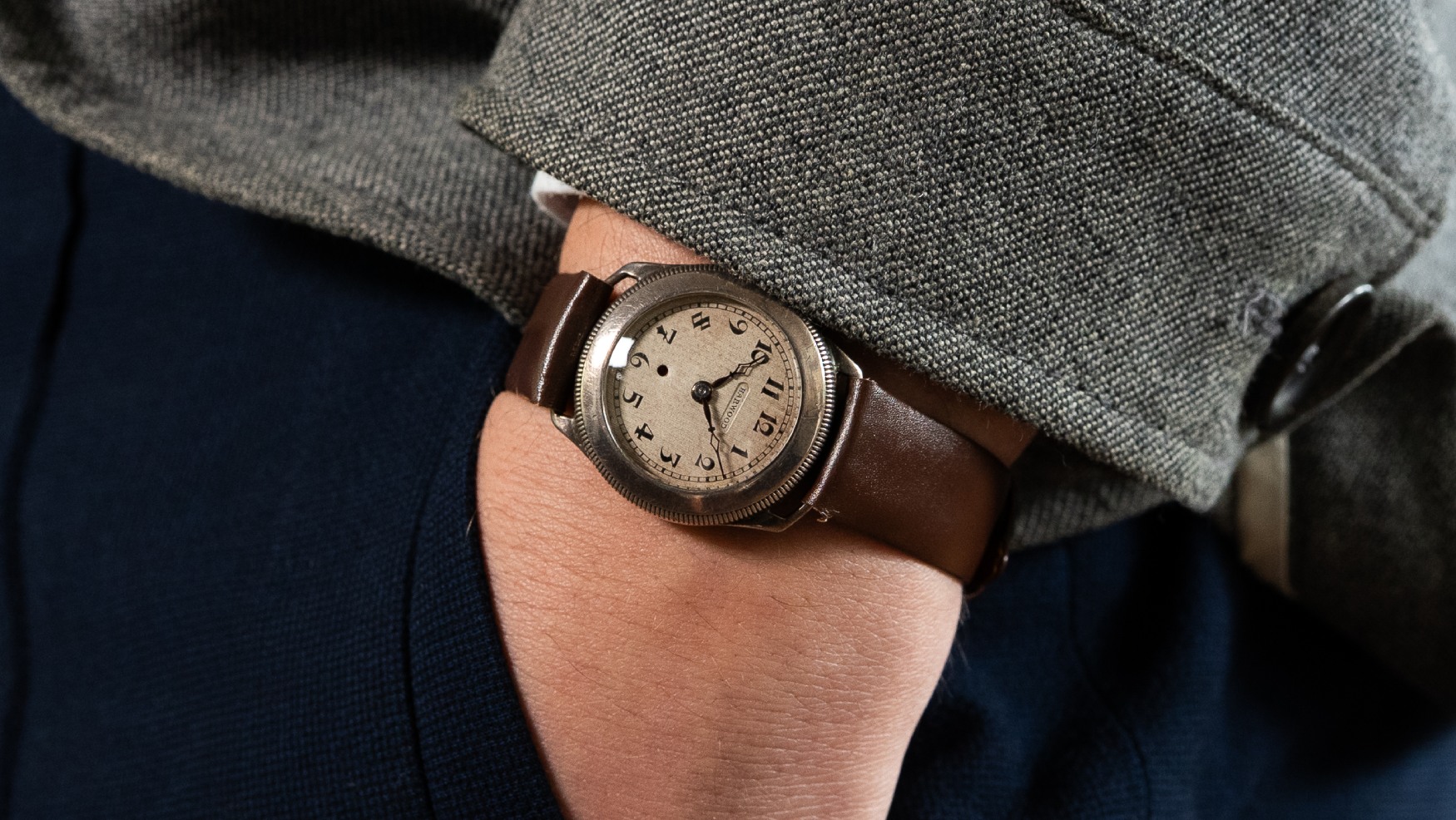
Fortis and the 100th Anniversary of the Automatic Wristwatch
This year marks the centenary of the first commercially produced automatic wristwatch, a pivotal moment in horological history. While John Harwood patented the self-winding mechanism, Fortis founder Walter Vogt was instrumental in bringing the invention to serial production, a feat achieved remarkably quickly after the patent's finalization. The partnership between Harwood and Fortis transformed mechanical watchmaking, addressing the inherent vulnerabilities of the traditional winding crown and paving the way for the ubiquitous automatic movements found in watches today.
- 100th anniversary of the first automatic wristwatch
- Fortis partnered with John Harwood to commercially produce the automatic movement
- The first Fortis Harwood automatic wristwatches were produced in 1926
- Approximately 30,000 Harwood automatic watches were produced
The invention of the automatic movement addressed the vulnerability of the winding crown to dust and moisture, which was considered the weakest link in mechanical watches.
John Harwood's self-winding system utilized an oscillating weight that moved within a limited arc, striking spring buffers, a 'bumper system' that transferred energy to the mainspring.
The first Fortis Harwood automatic wristwatches featured no crown, with time setting performed via a rotating bezel.
Fortis still uses the original manufacture building, opened over 100 years ago, to assemble its watches.
The rapid turnaround from Harwood's patent to industrial production was spearheaded by Fortis founder Walter Vogt, who was willing to take risks.