What watch size fits your wrist?
Case diameter is the number everyone quotes and the wrong one to shop by. Lug-to-lug (the tip-to-tip span of the case) decides whether a watch sits on your wrist or hangs off it. Enter your wrist size below and get the lug-to-lug limit and diameter range that work for you, then filter 16,217 watches down to the ones that actually fit.
Measure with a flexible tape (or a strip of paper against a ruler) just below the wrist bone, where the watch actually sits.
The flat of your wrist is roughly 55.5mm across (circumference ÷ 3 to 3.2, depending on how flat or round your wrist is). A watch wears right when its lug-to-lug stays on that flat: these numbers are a rule of thumb.
Browse 37-42mm watches that fitDiameter filters narrow the field; check the lug-to-lug figure on each spec page before you buy.
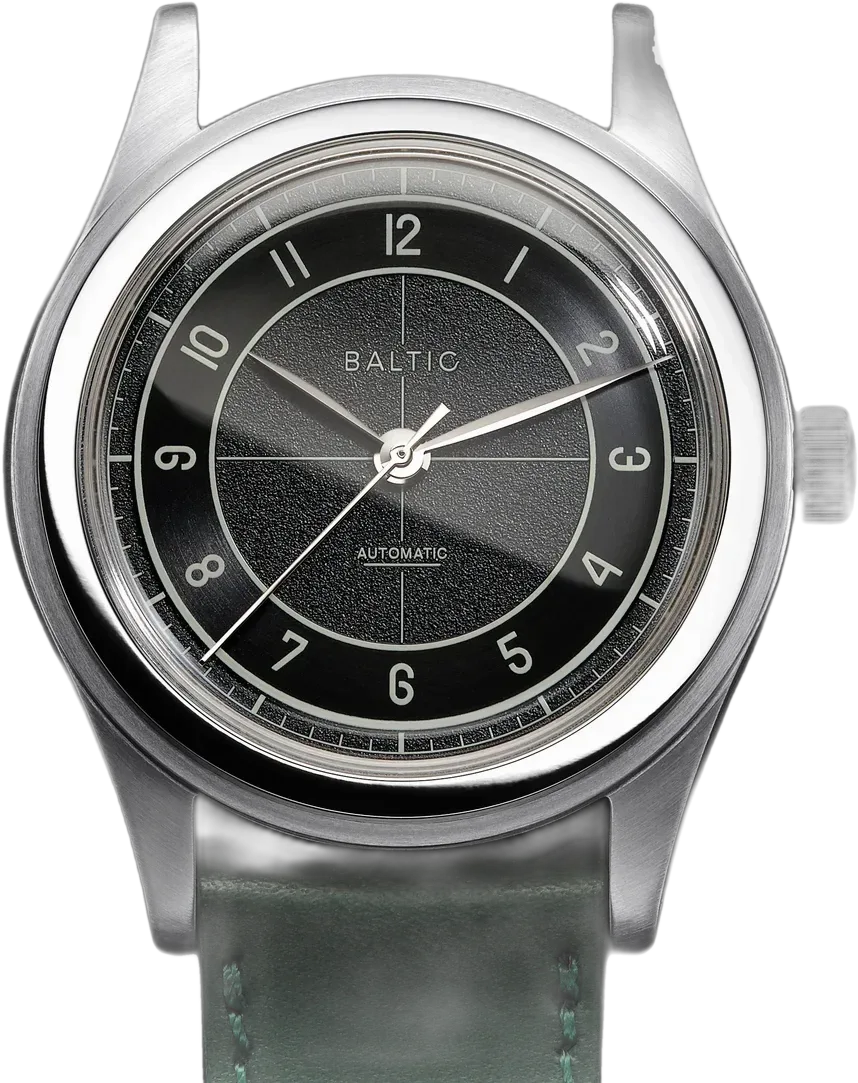

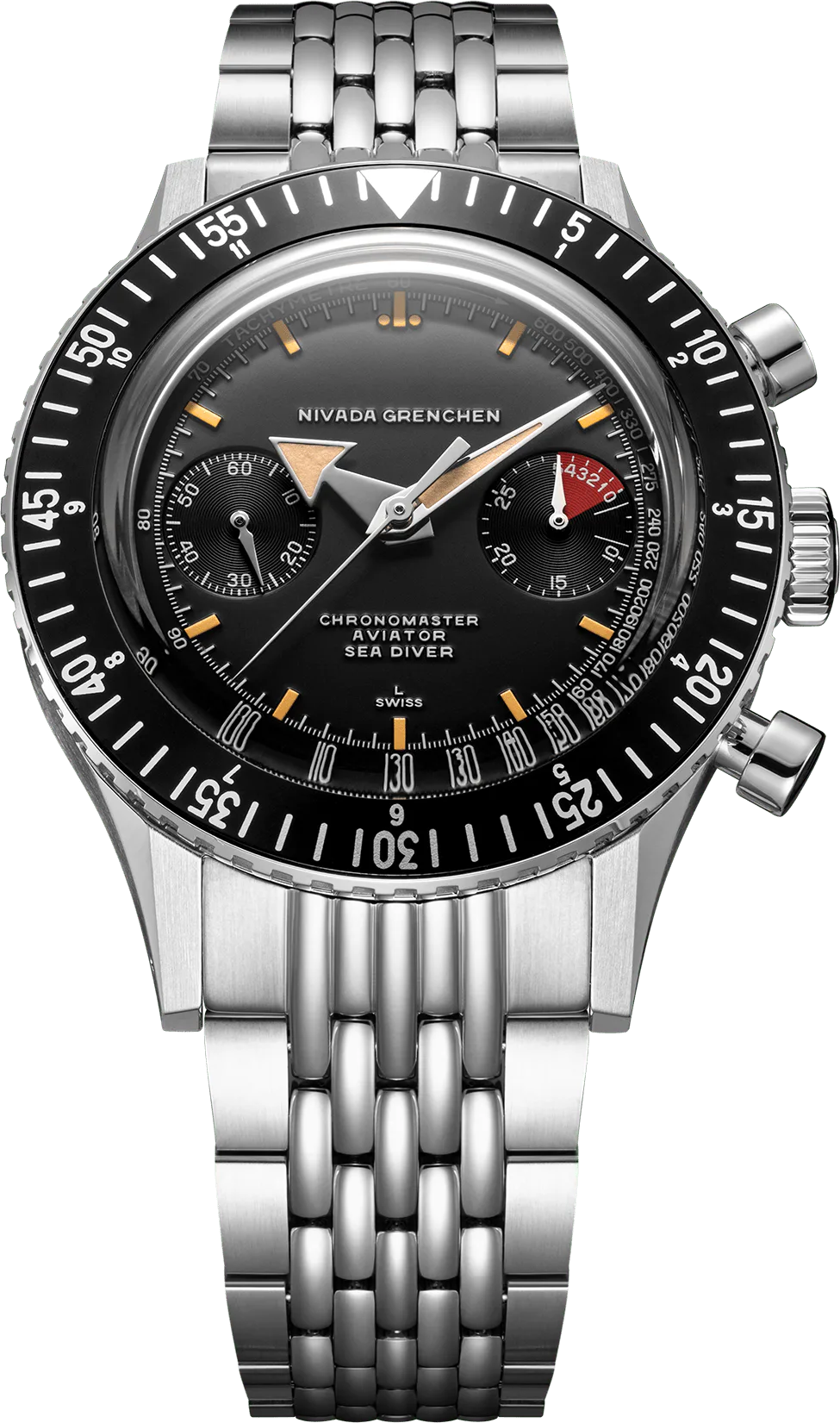
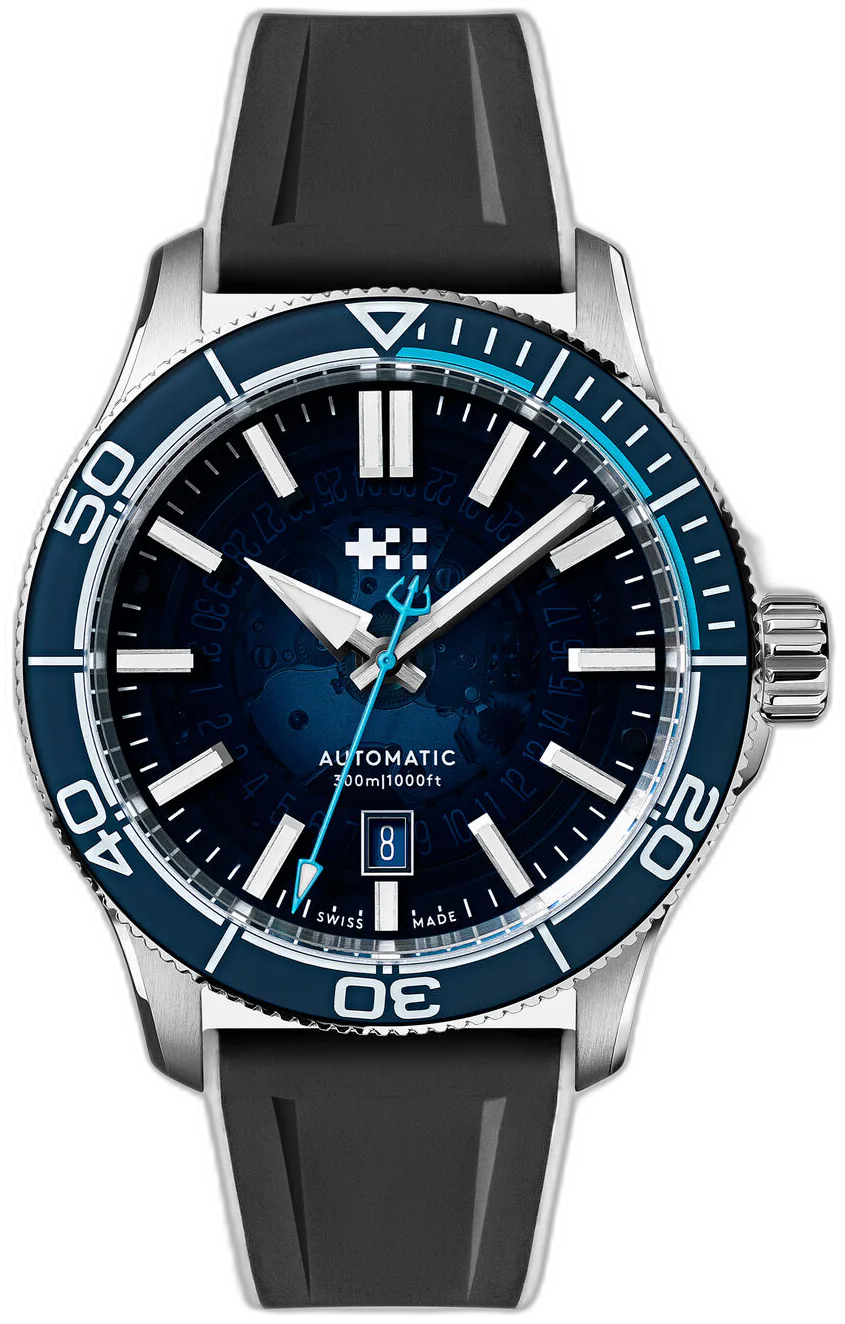
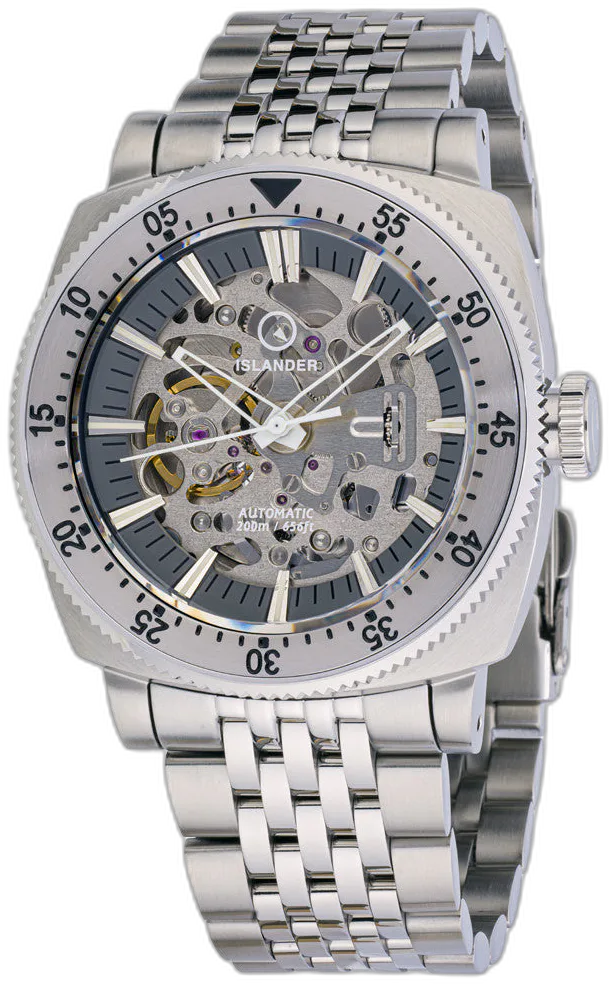
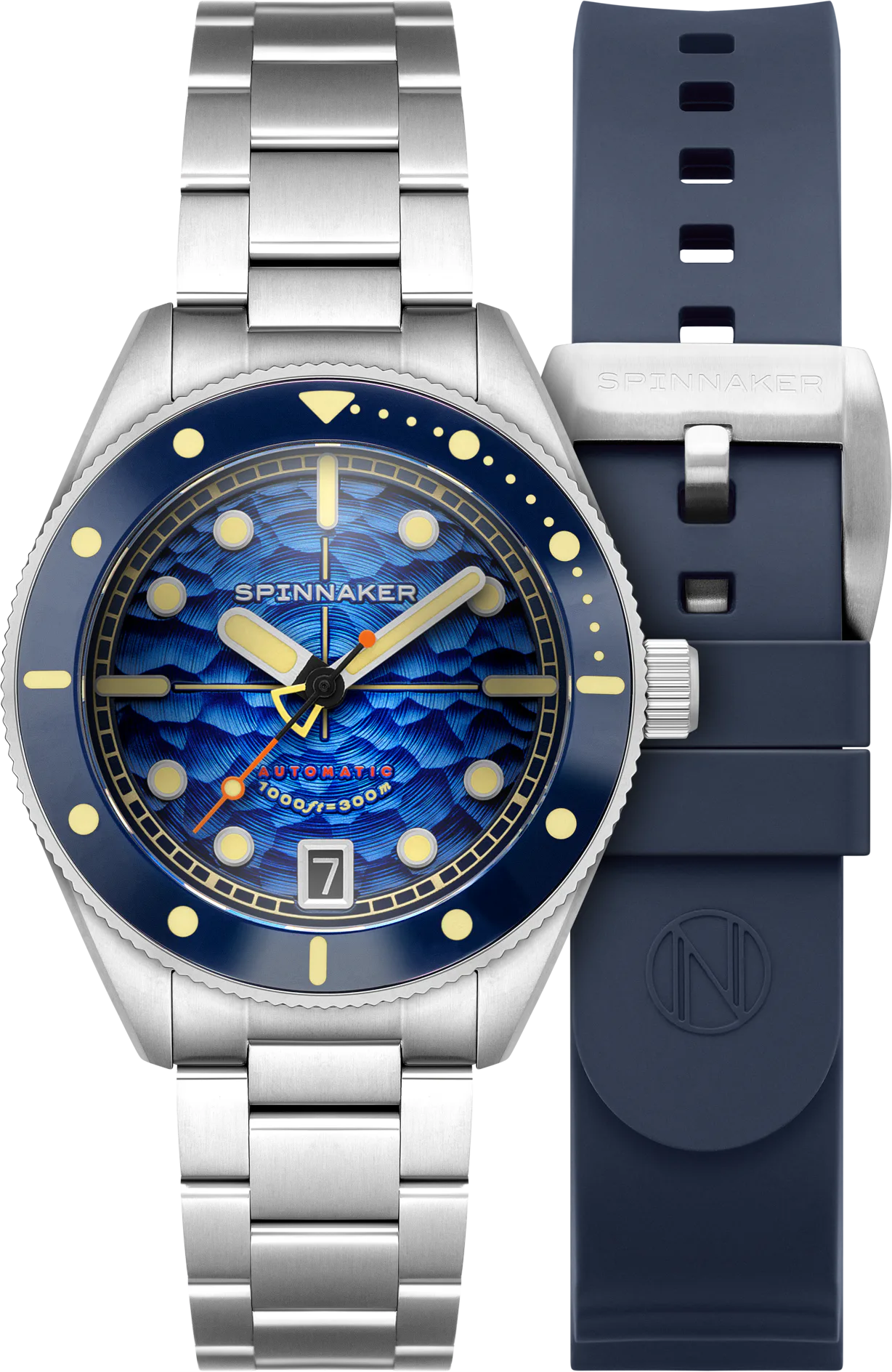
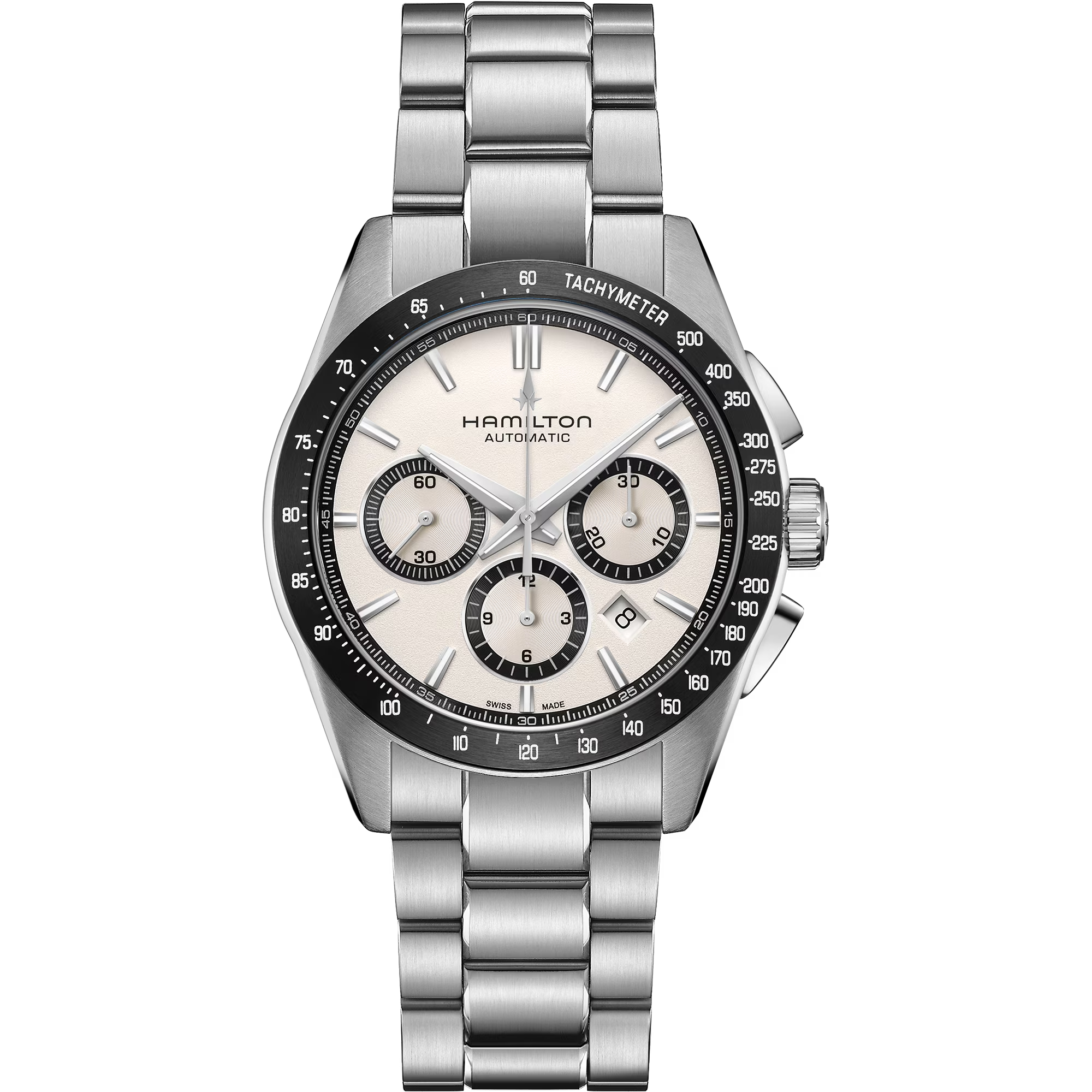
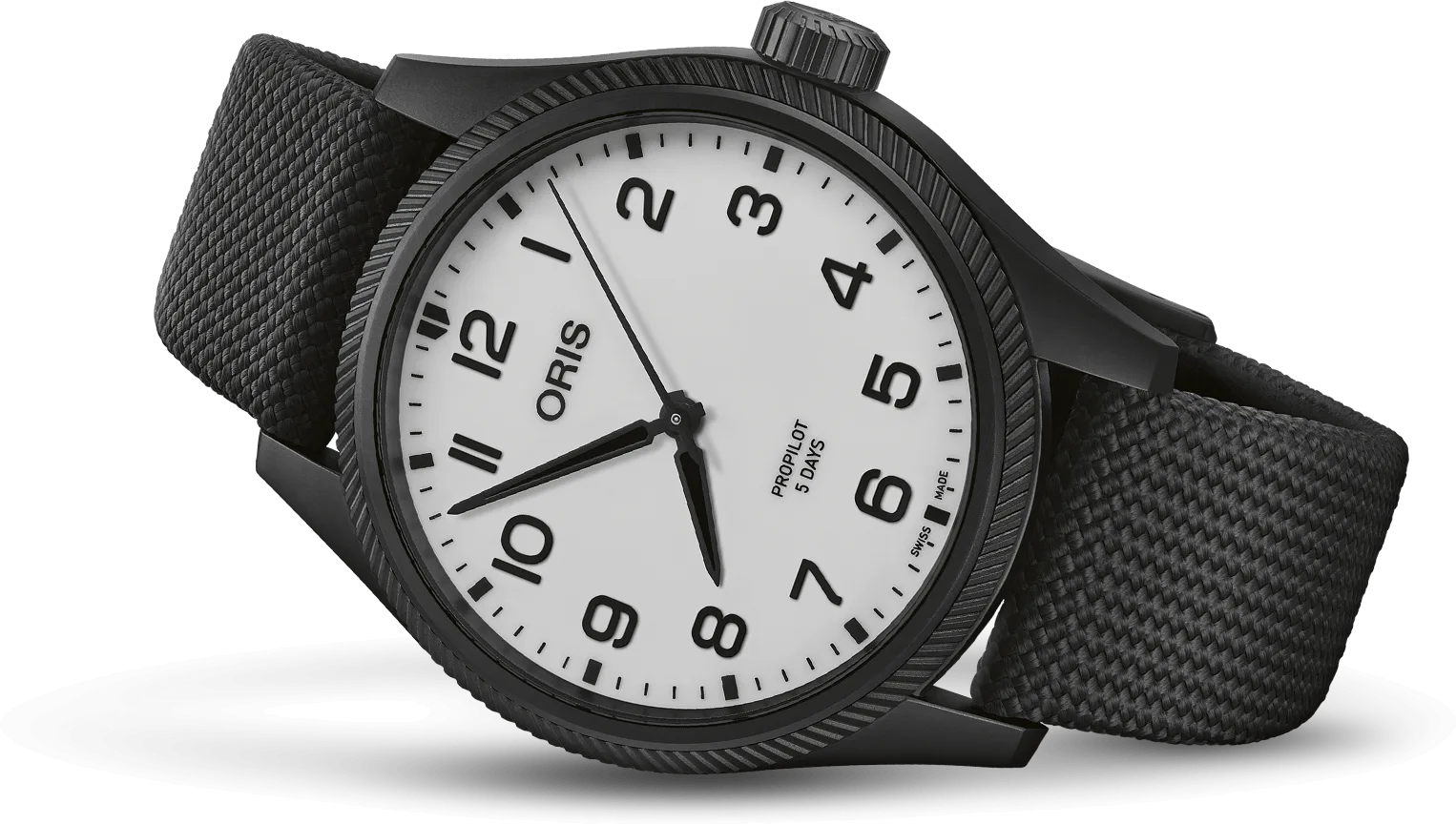
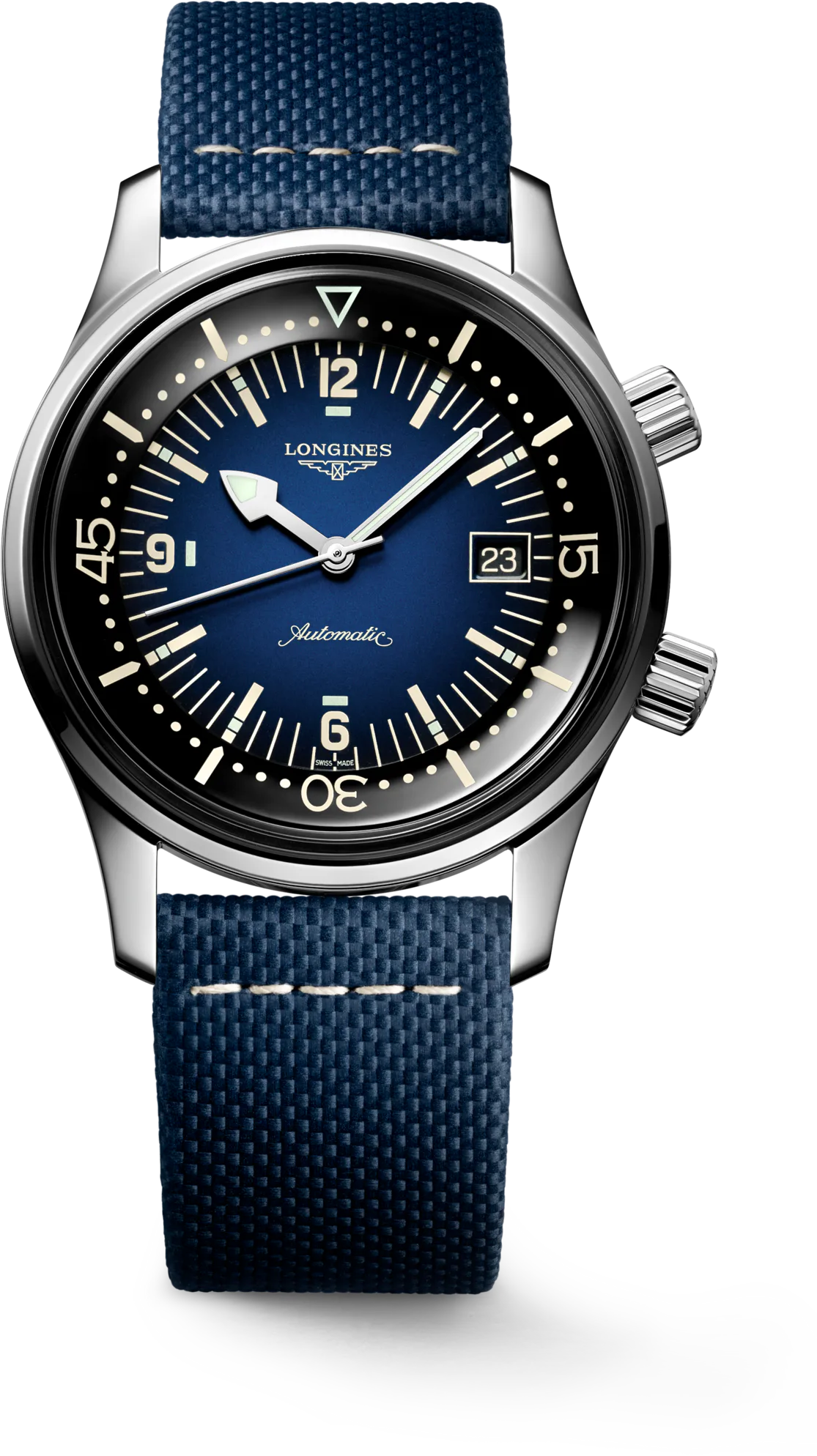
Lug-to-lug vs diameter: why a 40mm can wear bigger than a 42mm
Diameter measures the case across its widest point, bezel to bezel: it tells you how much dial you see. Lug-to-lug measures tip to tip along the strap axis: it tells you how much wrist the watch occupies. Lugs are not standardized: a 40mm pilot’s watch with long, straight lugs can span more than 50mm, while a 42mm diver with short, sharply curved lugs can come in under 48mm and sit flatter on the same wrist.
Real example from the catalog: the Vaer Swiss is 36mm in diameter but spans 48mm lug-to-lug, while the Vaer DS4 Meridian Solar is 42mm across yet spans only 46mm. On a smaller wrist the “bigger” watch is the easier wear.
So “will a 40mm watch fit my wrist?” has no answer without the lug-to-lug figure. Every spec page on lug²lug lists it where the brand publishes it, and when you’re torn between two candidates, put them side by side and compare the L2L row directly.
- Diameter
- Dial presence: how big it looks
- Lug-to-lug
- Footprint: whether it fits
- Thickness
- How it sits under a cuff
- Lug curve
- Downturned lugs hug; straight lugs perch
The flat-wrist rule
Your wrist is a flattened oval with a roughly flat top where the watch sits. A watch wears right when its lug-to-lug fits within that flat: the lugs stay on the plateau above the wrist bones. As a rule of thumb, the flat top is about your wrist circumference divided by 3 to 3.2, depending on how flat or round your wrist is. A 6.5-inch (16.5cm) wrist has a flat of roughly 52-55mm, so watches up to about 50mm lug-to-lug wear comfortably, which is why the classic advice for a 6.5-inch wrist lands around 38-42mm diameter divers and 36-40mm dress watches.
Treat the outputs above as a starting range. Bone structure, how tight you wear a strap, and lug curvature all move the boundary by a few millimeters: the calculator earns you a shortlist; trying the watch on settles it.
Watch size chart by wrist circumference
Classic fit (lug-to-lug filling the flat of the wrist without overhang). Snug wearers should step one row down; fans of wrist presence can push one row up.
| Wrist | Flat of wrist (approx.) | Suggested max lug-to-lug | Comfortable diameter |
|---|---|---|---|
| 5.5″ / 14.0cm | 44-47mm | 43mm | 30-34mm |
| 6″ / 15.2cm | 48-51mm | 46.5mm | 33-37mm |
| 6.5″ / 16.5cm | 52-55mm | 50.5mm | 36-40mm |
| 7″ / 17.8cm | 56-59mm | 54.5mm | 39-43mm |
| 7.5″ / 19.1cm | 60-64mm | 58mm+ | 42-46mm |
| 8″ / 20.3cm | 63-68mm | 58mm+ | 43-46mm |
| 8.5″ / 21.6cm | 67-72mm | 58mm+ | 43-46mm |
Above roughly a 7.5-inch wrist, lug-to-lug stops being the constraint: proportion and taste take over. All figures are rules of thumb derived from the flat-wrist rule.
Thickness and straps change how a size wears
Thickness
Two watches with identical footprints wear differently if one is a slab. Under about 10mm a watch slides beneath a shirt cuff; 11-13mm is normal sports-watch territory; past 14-15mm a watch starts to sit top-heavy and roll on smaller wrists, whatever its lug-to-lug says. Case shape matters too: a curved caseback and slim mid-case make a thick spec sheet wear thinner than the number suggests.
Straps & bracelets
A pass-through strap (NATO-style) adds a layer of fabric under the case: extra height, and on a borderline fit it can push the lugs off the flat. Curved or fitted end-links on a bracelet effectively extend the lug-to-lug by a few millimeters, while a tapering bracelet or dark leather strap visually shrinks the same head. If a watch is at the edge of your number, the strap choice is the tiebreaker.
Want the deeper background reading? The guides cover buying by category and budget, and the glossary entry on lug-to-lug goes further into how the measurement is taken.
Shortlist what fits and track what you own: full specs in your pocket.