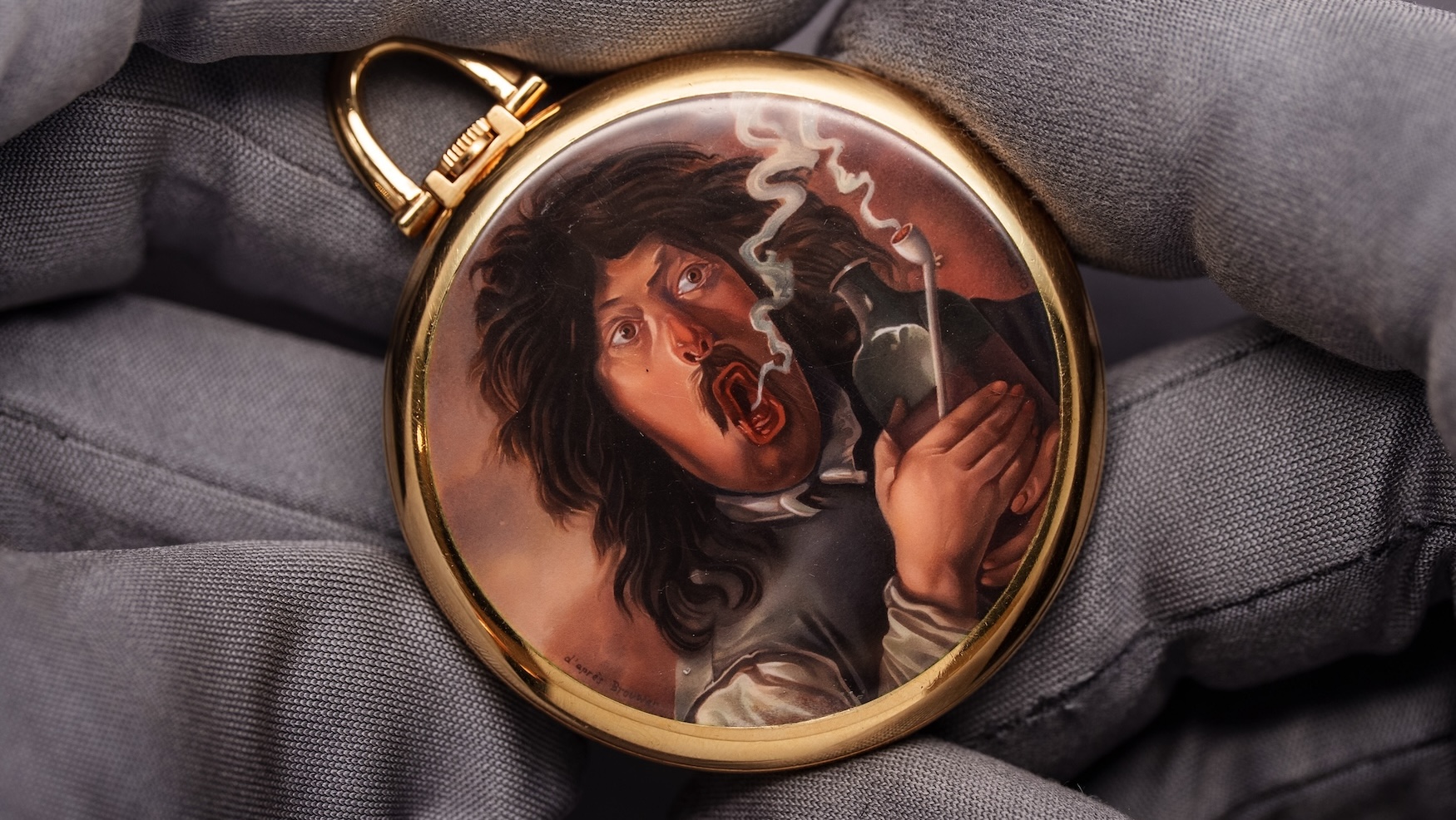
The intelligence of the hand: Inside Vacheron Constantin’s decorative arts legacy
Vacheron Constantin's commitment to preserving and reviving decorative watchmaking crafts like enamelling, engraving, guillochage, and gem-setting is highlighted through its historical pieces and modern Métiers d’Art collections. This dedication, championed by figures like Christian Selmoni, ensures the survival of these intricate artisanal skills.
The phrase "the intelligence of the hand" emphasizes the coequal importance of manual dexterity and intellectual thought in artisanal crafts.
Decorative watchmaking faced a significant decline between approximately 1975 and 1995, prompting Vacheron Constantin to rebuild these disciplines starting in the mid-2000s with a dedicated métiers d’art workshop.
Historical examples include a 1915 pendant watch with a cameo in agate, diamond setting, and an engraved pendant mount, featuring an exceptionally small movement for its era and an ivory case.
A 1924 platinum cocktail watch showcases a fine example of 'pelage,' a delicate enamel surface treatment typical of the period, with white metal and extraordinarily fine diamond setting.
A cloisonné dial from the 1950s depicts a caravel in vivid mid-century enamel colors, a style Christian Selmoni notes is highly regarded at auction.
The Métiers d’Art Masques collection, launched in 2005, marked a pivot toward modernity and boldness for Vacheron Constantin, utilizing decorative arts as its creative territory.
The Tribute to Great Civilizations series, including the Mesopotamian Lamassu piece (750 BC source material rendered in micro-mosaic stones and gold leaf with a hand-engraved frieze), exemplifies the brand's contemporary approach to decorative watchmaking.
The Infinite Universes series features an M.C. Escher-derived tessellation dial with interlocking angels and demons; the demon prototype was never sold, while the angel version was worn by Christian Selmoni.