The ABCs of Time – Dial Styles, History and Evolution of a Watch’s Crucial Part
This article explores the historical evolution of watch dial styles, tracing their development from early, ornate designs to the functional aesthetics seen today. It highlights how dial designs have mirrored broader artistic and technological eras, influencing watchmaking and defining historical moments.
Early watches, due to their inaccuracy, featured only an hour hand, with dials often protected by hinged metal lids instead of crystals.
Elaborate dials with floral patterns, geometric shapes, and animals were common in early watches, serving as luxurious fashion statements for wealthy owners.
Tactile dials with raised metal pins, acting like horological braille, were an experimental feature for nighttime use before the advent of luminous materials.
The invention of the clock pendulum by Christiaan Huygens in 1656 and the balance spring in 1675 significantly improved watch accuracy, leading to dials that emphasized legibility with minute and seconds tracks.
The Lépine calibre, invented by Jean-Antoine Lépine in 1764, influenced the shift towards more purposeful dial designs on wristwatches.
Regulator dials, which separate the hour, minute, and second hands onto different sub-dials or positions, have been adopted by brands like Patek Philippe, Louis Erard, and Grand Seiko.
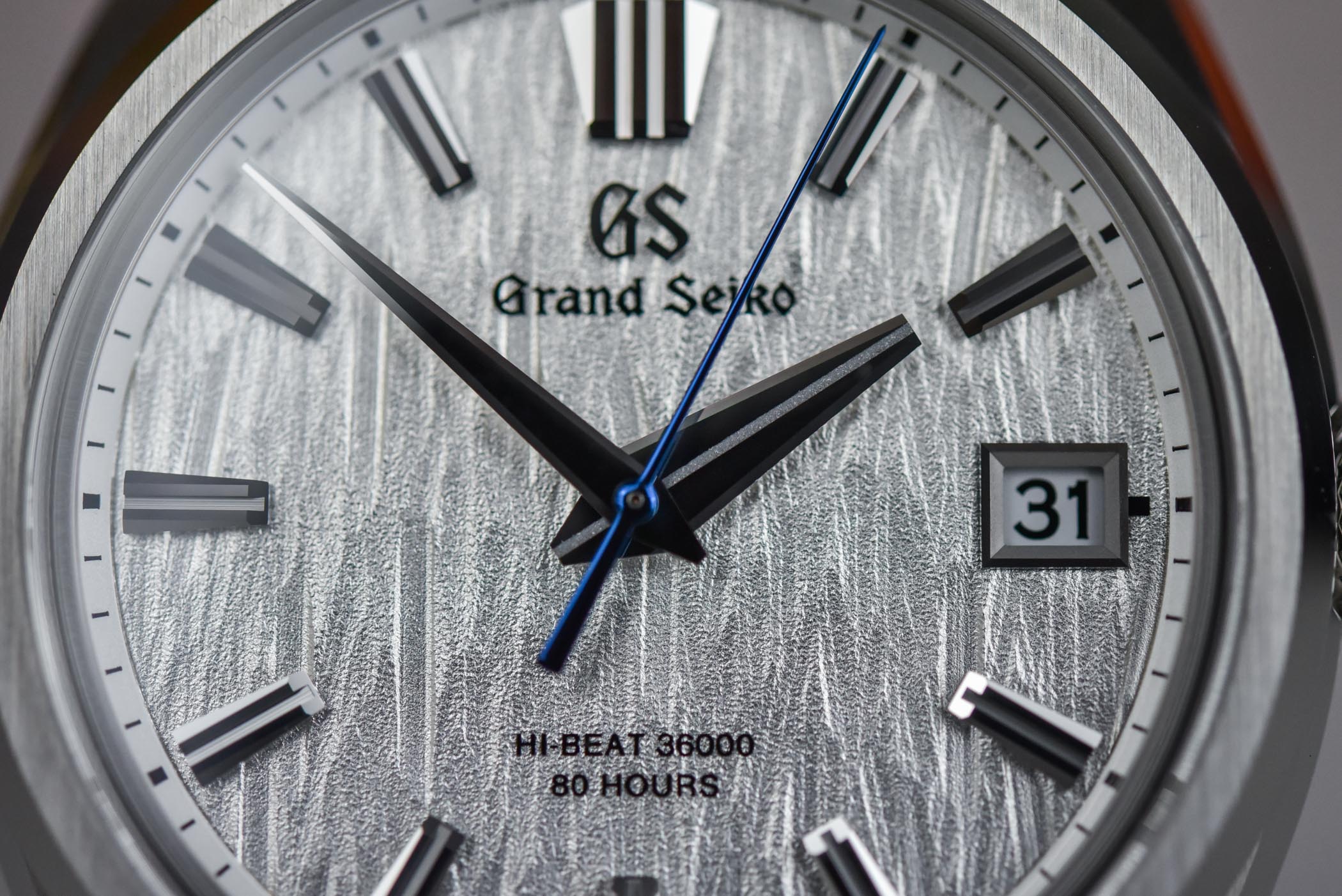
The Grand Seiko Snowflake dial, inspired by snow-covered mountains, uses a stamping process with a leutor tool on a brass blank, followed by silver plating for its textured finish.
MeisterSinger has specialized in single-hand dials for wristwatches, drawing inspiration from ancient clock towers and early pocket watches.