The ABCs of Time – The Complex World of Casebacks
This article delves into the evolution and varied functions of watch casebacks, moving beyond their basic role as a cover to highlight their integral contributions to water resistance, aesthetic display, and structural integrity. It explores different attachment methods like snap-on, screwed, and integrated monobloc designs, tracing their historical development from early pocket watches to modern high-performance timepieces.
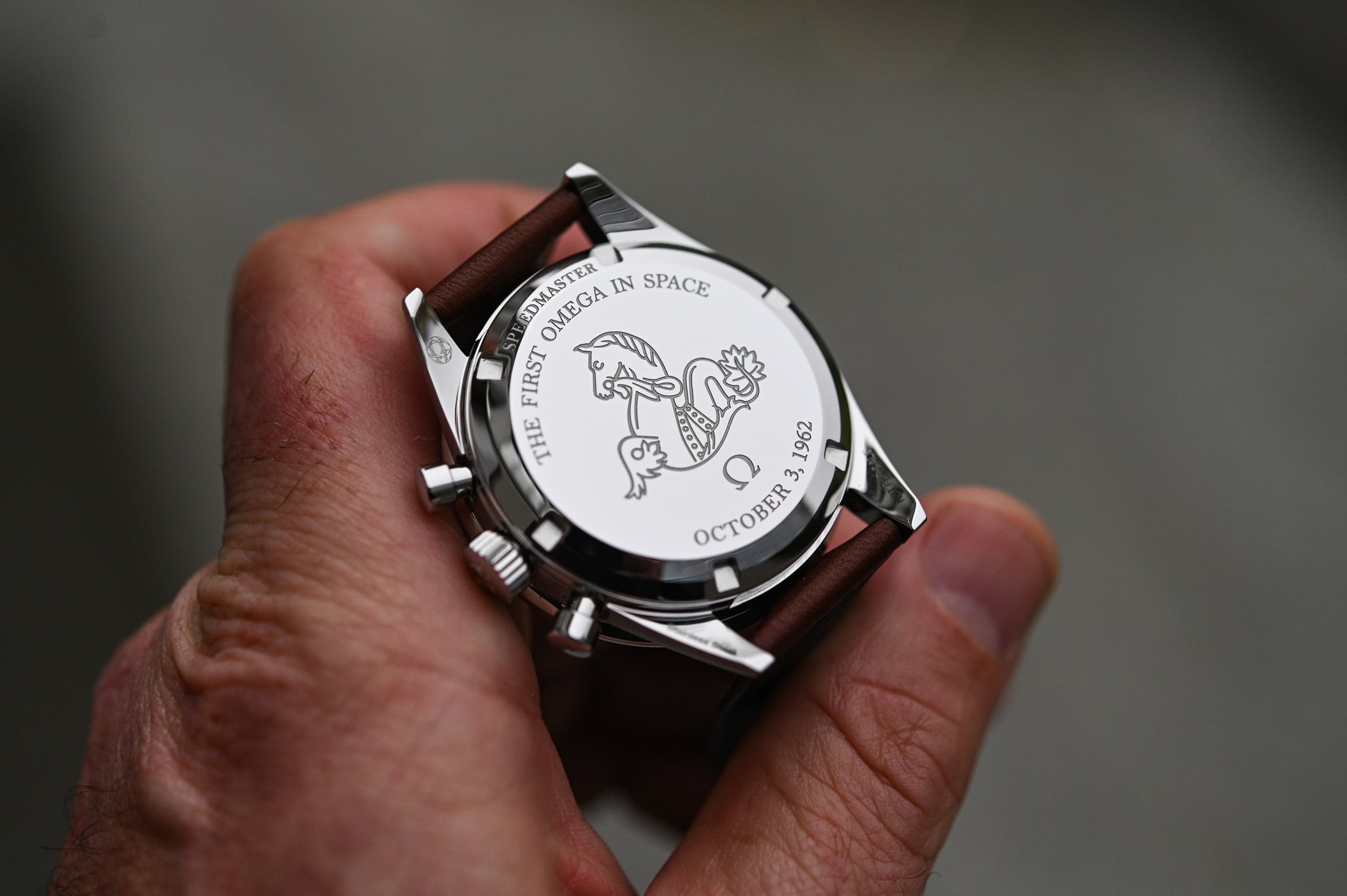
Casebacks have evolved from simple hinged lids on early pocket watches to complex components that contribute to water resistance, display movements, or form part of the case itself.
Attachment methods include snap-on, screwed, and integrated monobloc designs, each serving specific purposes for protection and case construction.
Materials for casebacks can vary, sometimes differing from the main case material, especially when bronze or ceramic cases are paired with steel or titanium backs.
Exhibition casebacks gained prominence in the 1980s and 1990s as a way for mechanical watchmakers to showcase craftsmanship against the rise of quartz movements.
Monobloc cases, milled from a solid piece without a traditional caseback, offer extreme durability and water resistance, exemplified by models like the Jenny Caribbean 1000 and Omega Seamaster Ploprof.
Iconic watches such as the original Audemars Piguet Royal Oak Jumbo and Patek Philippe Nautilus utilized monobloc case construction.