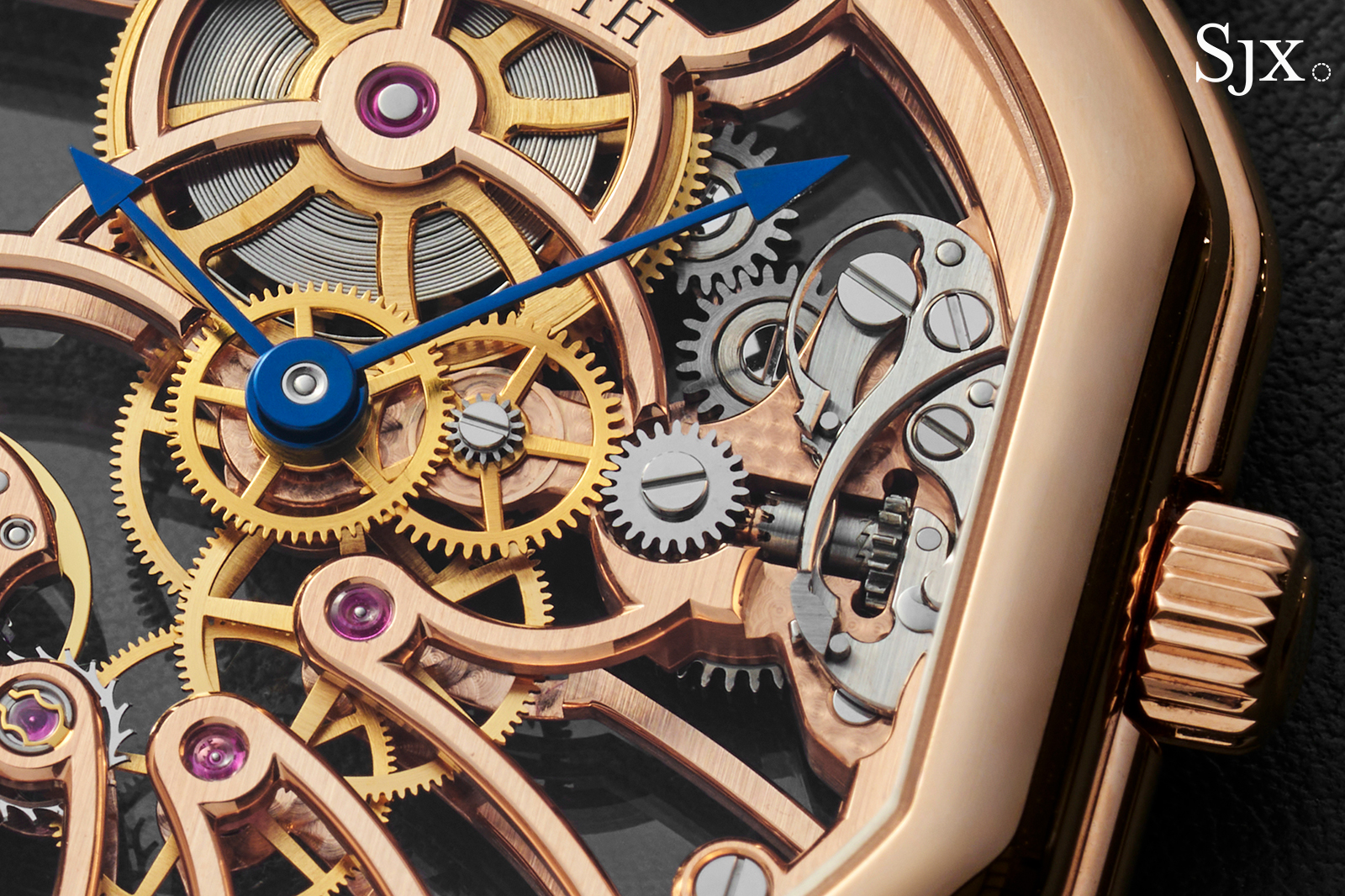
The Keyless Works
This article delves into the mechanics of a watch's keyless works, the often-hidden mechanism that allows for winding and setting the time via the crown. It traces the history of this innovation, highlighting the contributions of figures like Jean Adrien Philippe, Antoine LeCoultre, and Adolphe Nicole, and explains how Philippe's 1845 patent laid the groundwork for modern keyless systems.
The keyless works mechanism allows owners to interact with a watch movement for both setting indications and winding.
Jean Adrien Philippe is credited with the user-friendly dual-purpose crown for winding and setting, patenting his keyless mechanism in 1845.
Before keyless works, timepieces used separate keys for winding and setting, which posed risks like losing keys or damaging enamel dials.
Other early pioneers of keyless mechanisms included Thomas Prest, Charles Victor Adolphe Nicole (who also patented a zero-reset chronograph), and Breguet.
Antoine LeCoultre developed a keyless system in 1847 using a switching bar with separate wheels for winding and setting.
Philippe's 1845 patent described a rudimentary but foundational concept for keyless works still used today.
Philippe's original mechanism involved pulling the crown to disengage the winding function and engage the setting mode via a sliding pinion and rocking cam.