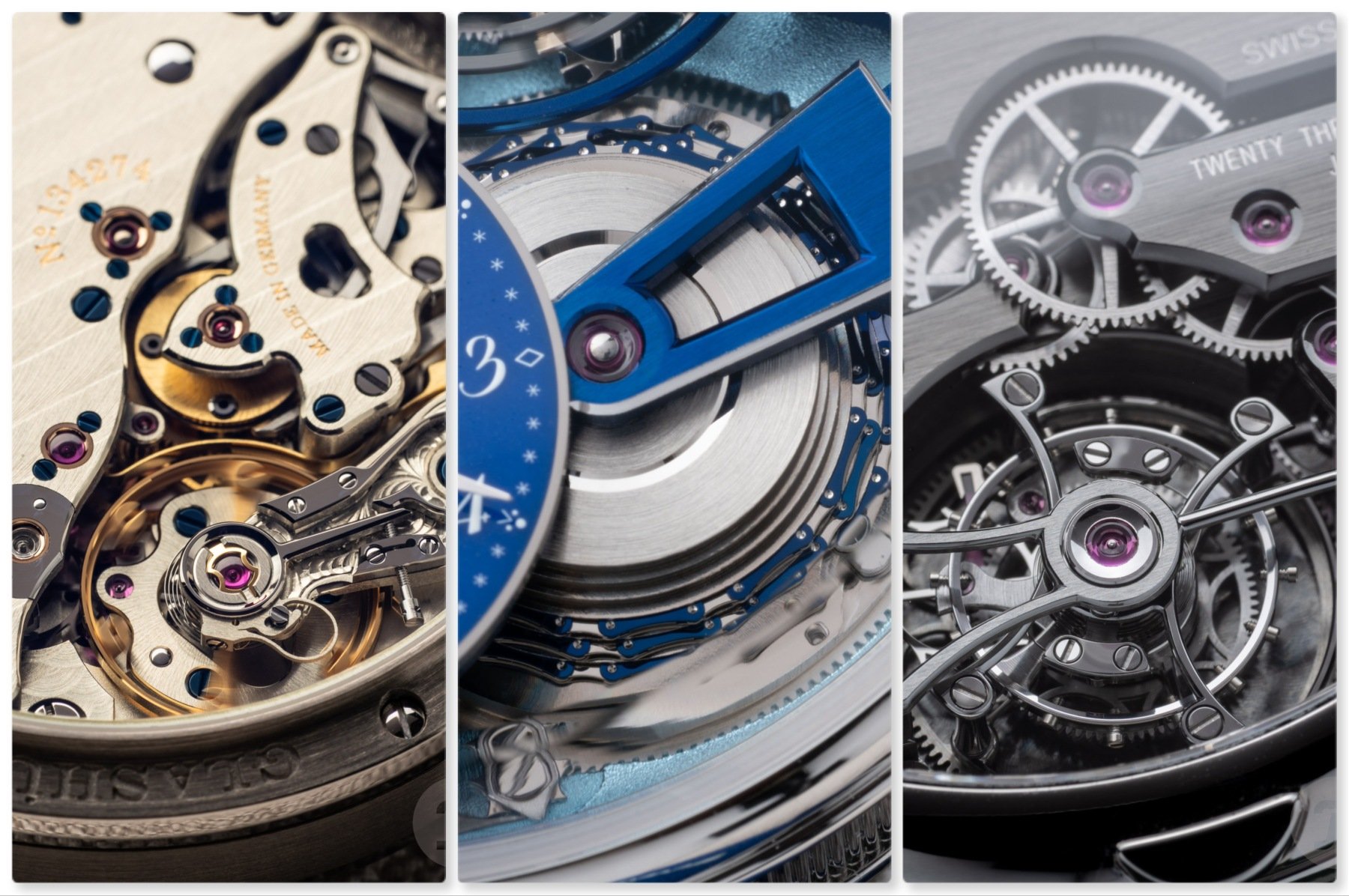
Does Watch Movement Finishing Matter for Function or Just Aesthetics?
This article delves into the debate surrounding decorative finishing techniques in watch movements, questioning whether they enhance functionality or are merely aesthetic enhancements. While some techniques like anglage, Geneva stripes, and perlage have historical practical purposes such as removing burrs, preventing corrosion, and trapping dust, their modern application is often primarily decorative. The piece explores whether elaborate finishing justifies a higher price point, acknowledging its role in showcasing skill and human involvement in traditional watchmaking.
Finishing techniques like anglage (beveling) remove burrs and microscopic metal particles left behind during machining, helping to prevent debris from entering the gear train and making component fitting easier.
Côtes de Genève (Geneva stripes) were traditionally said to help trap dust, but their modern role is largely decorative, though they can make minor assembly marks less obvious.
Perlage (circular graining) was also used as a dust buster, creating a fine, matte texture that adds visual depth.
Black polishing, originally intended to make surfaces water-repellent and prevent corrosion, is now often used for its highly reflective or deep black appearance on prominent components.
Thermally blued screws, once offering corrosion protection, now primarily serve as a visual accent in modern watches.
Manual finishing techniques like freehand anglage and polishing with wooden pegs preserve skills that machines cannot always convincingly replicate and impart a sense of human involvement.