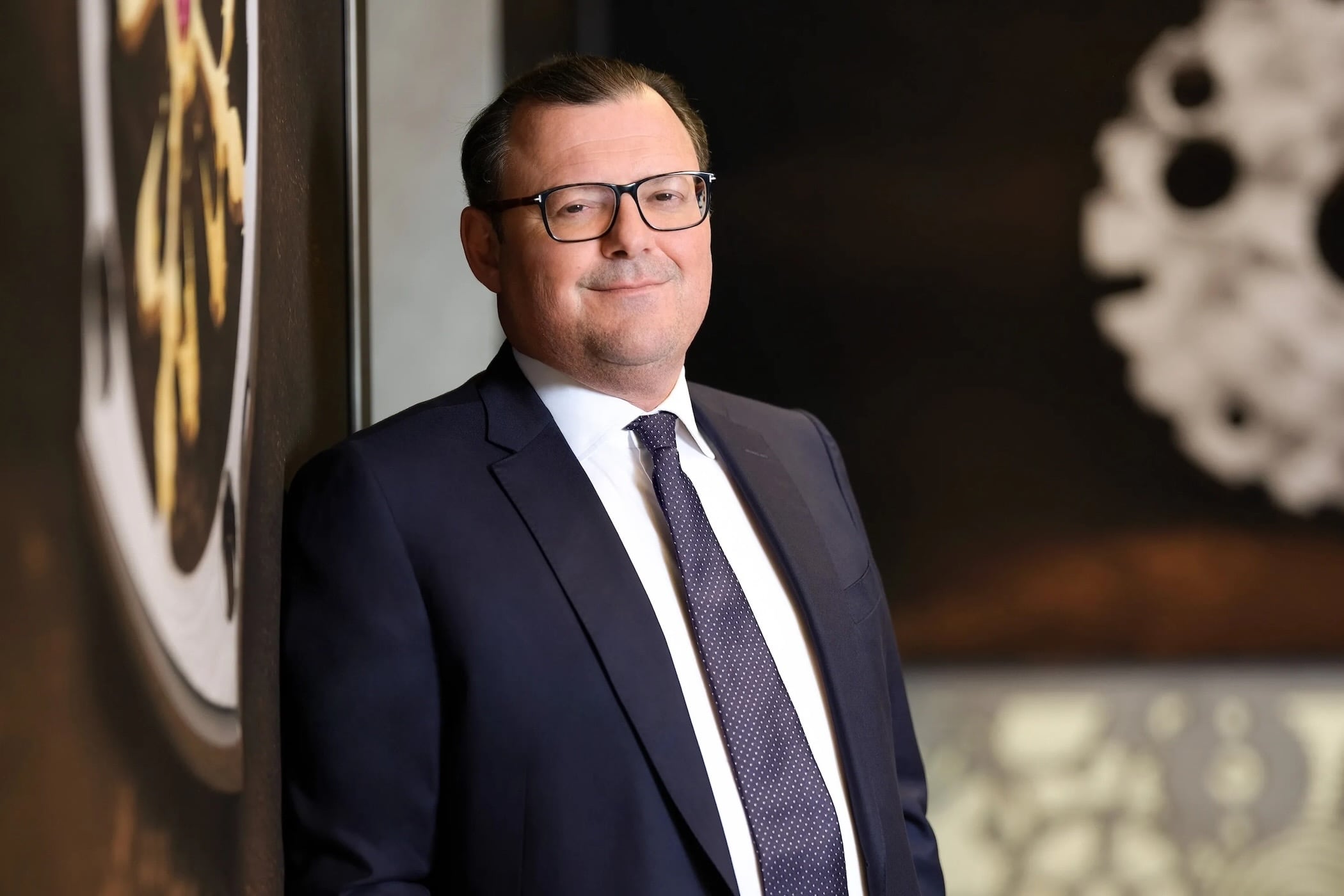
Thierry Stern on Patek Philippe's Heritage, Craftsmanship, and Future
In an interview, Patek Philippe President Thierry Stern discusses the brand's commitment to restoration, the importance of designing for longevity, and the significance of rare handcrafts. The conversation touches upon the Patek Philippe Watch Art Grand Exhibition in Milan, highlighting both new and historic timepieces, and the strategic decisions behind limited editions.
- Patek Philippe commits to restoring virtually every watch made since 1839.
- Restorability is a primary consideration in the development of new movements and cases.
- The brand actively trains younger generations in rare handcrafts like enamelling and marquetry.
Thierry Stern emphasizes that restorability is a fundamental engineering rule at Patek Philippe, influencing material choices and design from the outset to ensure watches can be serviced 100 years from now.
Stern highlighted the new Perpetual Calendar Chronograph as particularly interesting from a movement perspective and expressed fondness for the Dante Pocket Watch due to its extraordinary enamelling by Anita Porchet.
The Patek Philippe President believes the sheer number of patents introduced by the brand since 1839 is often overlooked and is a key aspect of its historical innovation.
Decisions on whether a Grand Exhibition model becomes a permanent collection piece or remains limited are based on experience and a long-term view of the brand's catalogue, rather than a strict rule.
Stern noted a shift in demand, with women, particularly engineers in Asia, initially requesting ultra-thin split-second chronographs, indicating an appreciation for intricate mechanics.
Patek Philippe has actively built up its rare handcrafts department, training younger artisans to preserve skills like enamelling and marquetry.